
Test Stress Signs: How Students Can Manage Test Stress and Improve Performance
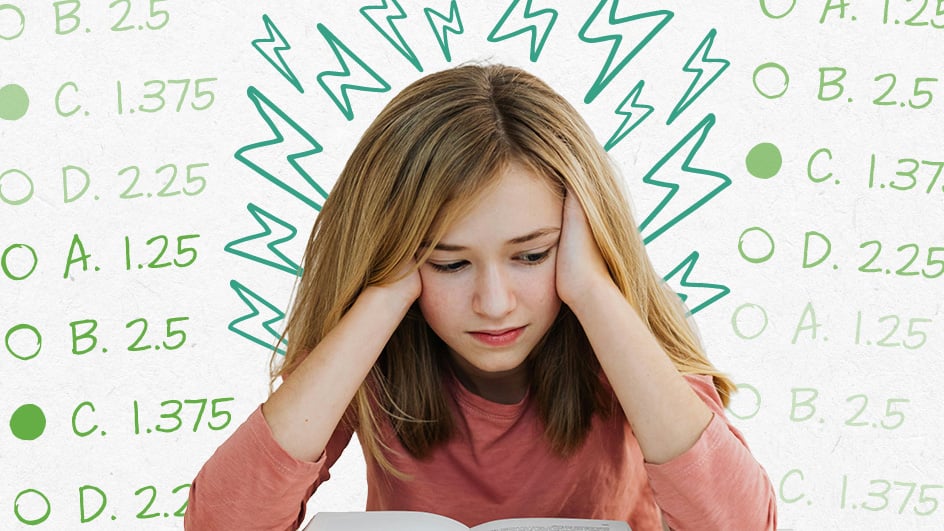
Table of Contents:
Why Students Experience Test Stress
How Test Stress Affects Performance
Signs of Test Anxiety Parents Can Recognize
Test Anxiety, Mental Health, and an Important Disclaimer
How Parents Can Support Stress Management for Students
Study Tips for Anxious Students
How Preparation Helps Reduce Test Anxiety
How Huntington Learning Center Supports Students
Helping Students Approach Tests With Confidence
Many parents notice a shift in their children as an important test approaches. A student who is usually calm may become restless, irritable, or unusually worried. Others may complain of headaches, struggle to sleep, or say they “can’t remember anything.” These are common signs of test anxiety, a form of stress that can interfere with learning and test performance.
Understanding why this stress happens is the first step in learning how to manage test stress. When parents understand what is happening beneath the surface, they are better equipped to offer help with test anxiety, encouragement, and practical support.
It is first important to make a clear distinction: test anxiety is a recognized condition, but Huntington Learning Center does not diagnose test anxiety. Instead, our services and skilled professionals support students by building skills, confidence, and readiness; key factors in reducing anxiety related to testing.
Why Students Experience Test Stress
Test stress rarely comes from a single cause. For most students, it builds gradually. Psychologists explain that stress increases when the brain senses a threat, such as fear of failure, concern about disappointing others, or worry about outcomes tied to grades or college admissions.
Waiting Too Long to Prepare
One of the most common triggers of test anxiety is waiting too long to begin studying. When preparation is rushed, students feel unprepared and overwhelmed. As test day approaches, stress levels rise, making it harder to focus or retain information.
Pressure From High-Stakes Outcomes
Tests connected to final grades, passing a course, or college admissions often carry heavy emotional weight. Many college students and high school students feel that one test could define their future. This pressure increases feeling stress and can cause students to focus on fear rather than problem-solving.
Awareness of Skill Gaps
Students who know they struggle in certain subjects may feel stress because they expect to perform poorly. This fear can grow over time, especially if students have had repeated negative testing experiences.
How Test Stress Affects Performance
Stress is a normal part of life, but too much stress interferes with thinking. When students experience stress, the brain shifts into a protective mode. This can make it difficult to recall information, concentrate, or apply strategies learned during a study session.
Parents may notice:
- Difficulty focusing
- Rushing through questions
- Blanking on familiar material
- Second-guessing answers
These behaviors are common signs that stress, not ability, is interfering with performance.
Signs of Test Anxiety Parents Can Recognize
A student can become anxious before a test, and these symptoms may include:
- Stomachaches or headaches before exams
- Trouble sleeping
- Irritability or emotional withdrawal
- Avoidance of studying
- Negative self-talk
- Fear of failure
Recognizing these signs helps parents understand that their child may need more support, not more pressure.
Test Anxiety, Mental Health, and Support
Families need to know that test anxiety is a real diagnosis connected to mental health. However, Huntington Learning Center does not diagnose test anxiety. The role of Huntington Learning Center is to support students academically and emotionally through preparation that builds confidence and competence.
When concerns extend beyond academic stress, families should consult a licensed professional.
How Parents Can Support Stress Management for Students
Parents play a critical role in stress management for students. Small, consistent actions at home can make a meaningful difference.
Create Predictable Study Routines
Short, regular study sessions help students feel more in control. This structure supports reducing anxiety by removing uncertainty.
Teach Time Management
Strong time management reduces last-minute panic. Help students plan study time in advance and break tasks into smaller steps.
Encourage Relaxation Techniques
Simple relaxation techniques can calm the body and mind, including:
- Deep breathing
- Stretching
- Quiet breaks
- Listening to calming music
These tools help manage stress before studying or testing.
Support Physical Activity
Regular physical activity supports emotional balance and helps lower stress. Even short movement breaks can help reset focus.
Build a Support Network
A strong support network matters. Encourage students to talk with parents, teachers, tutors, or counselors when they feel overwhelmed. Knowing they are not alone helps reduce stress and build confidence.
Study Tips for Anxious Students
Certain study tips for anxious students can make learning feel more manageable:
- Study in short blocks
- Focus on one topic at a time
- Review mistakes calmly
- Practice with sample tests
- Use proven study strategies
These habits support learning while lowering emotional pressure.
How Preparation Helps Reduce Test Anxiety
Preparation is one of the most effective ways to reduce test anxiety. When students feel prepared, stress naturally decreases.
Consistent preparation helps students:
- Know what to expect
- Improve pacing
- Strengthen weak skills
- Apply test-taking strategies confidently
Over time, this approach helps students overcome test anxiety and perform closer to their true ability.
How Huntington Learning Center Supports Students
Huntington Learning Center supports students by strengthening readiness, not by labeling stress.
Huntington Learning Center helps students by:
- Identifying academic gaps
- Providing personalized instruction
- Teaching effective test strategies
- Building consistent study habits
- Creating confidence through preparation
This structured approach plays an important role in reducing anxiety and improving test performance.
Helping Students Approach Tests With Confidence
Test stress is common, especially when exams feel important. By understanding its causes and preparing, parents can help their children feel more confident and capable. With the right tools, encouragement, and academic support, students can learn how to manage test stress and approach testing with greater calm.
If your child struggles with test stress or needs support in exam preparation, Huntington Learning Center can help. Call 1-800-CAN-LEARN or visit huntingtonhelps.com to learn how we support students through structured, confidence-building preparation.
Related Posts



Get the Help You Need Today
A 10-Minute Call Can Make All The Difference.