
Tips for Tackling Test Anxiety

While a mild amount of anxiety can help with focus and motivation during study sessions and exams, the high levels of stress, nervousness and fear that accompany test anxiety actually have the opposite effect.
Research shows that test anxiety is generally caused by factors related to fear of failure, unrealistic expectations, negative self-talk, being underprepared for the exam, and a history of poor test performance. For children with Attention Deficit Hyperactivity Disorder (ADHD), additional factors like low self-esteem, poor study habits, organizational difficulties, chronic procrastination, and poor focus during class and exams also contribute to test anxiety. Because of these additional factors, children with ADHD need extra support from parents, teachers and school counselors to manage their test anxiety. Here are a few tips that can help:
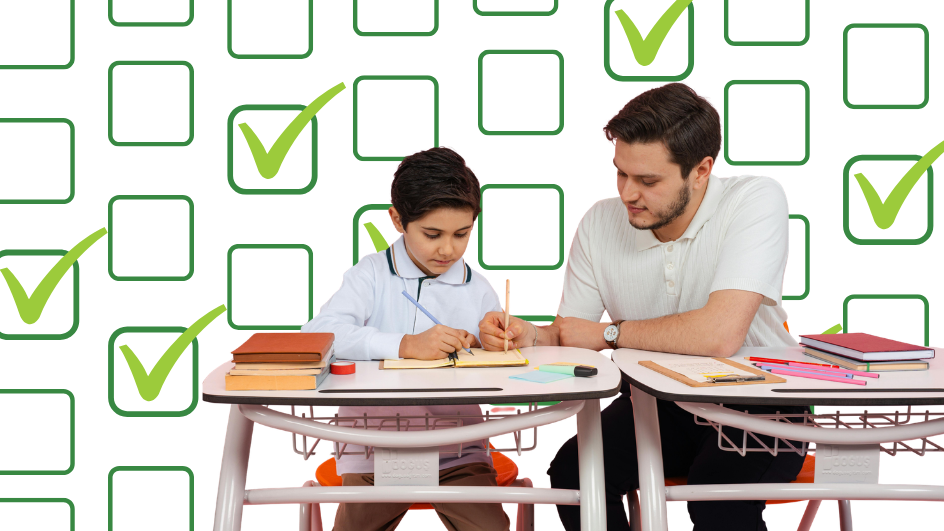
- Build the study skills. Strong study skills lay the foundation for improved test performance, self-confidence and reduced test anxiety. Unfortunately, most children are never actually taught how to study. Many with ADHD will not develop good study strategies on their own. They need coaching on specific study skills that will enable them to be successful.
- Teach your child relaxation exercises. Relaxation exercises can reduce anxiety before and during tests. Try techniques that are simple and don’t rely on a phone or tablet app, such as breathing slowly and evenly (and in a quiet, comfortable place if at home). Research relaxation techniques online to find a few ideas for your child.
- Take the pressure off. Test scores are a measure of your child’s knowledge and understanding of subject matter, but your child needs to understand that their effort matters most. Help your child learn that their self-worth and self-esteem should not be based on test scores. Point out all the things in your child’s life that will continue to go well regardless of how they perform on their next exam. Share what you love about your child that has nothing to do with their grades.
- Reduce distractions and request extended time on exams. Children with ADHD may experience more test anxiety when they are in distracting classrooms or when they are taking timed tests. Consider requesting school accommodations through an IEP or 504 plan, such as extended exam time or a quiet test-taking environment. Your child might not need these accommodations forever. Once they strengthen their study skills and know how to curb their test anxiety, they can return to taking tests in the regular classroom with the same amount of time as their peers.
- Work with the school counselor. School counselors might be a good resource to help your child deal with test anxiety, offering relaxation techniques and strategies to tackle negative self-talk, fear of failure and procrastination. They can also teach your child how to advocate for themselves and ask for extra assistance from teachers when needed.
Test anxiety is a very real problem for many children with and without ADHD, and it’s not likely to get better on its own. Help your child reduce test anxiety by learning study skills, practicing relaxation exercises, and taking advantage of school resources or those suggested by their doctor. With the right skills and strategies, your child will be able to decrease their test anxiety and raise their test scores in the process!
Related Posts


Get the Help You Need Today
A 10-Minute Call Can Make All The Difference.