
Summer Slide Statistics: How Much Learning Do Students Really Lose Over Summer?

As summer break approaches, many teachers worry about the well-documented phenomenon known as the summer slide—a term used to describe learning loss that occurs when students are out of school for extended periods. Summer learning loss statistics reveal that students can lose significant progress, particularly in math and reading, over the summer months.
For educators, understanding the impact of the summer slide and finding ways to combat it is crucial. In this blog, we’ll explore key summer slide statistics, their effect on students and actionable strategies teachers can use to minimize learning loss.
The Numbers: Understanding Summer Learning Loss Statistics
Research consistently shows that students who don’t engage in educational activities during summer can fall behind. Here are some key findings:
- Math Loss: On average, students lose two to three months of math skills over the summer. (Read More: org)
- Reading Decline: According to The Brookings Institution, students can lose one to two months of reading progress.
- Overall Loss: On average, studies show students’ achievement scores declined over summer vacation by one month’s worth of school-year learning.
These statistics highlight why it’s essential to keep students engaged in learning over the break, especially in core subjects like math and reading.
Teacher Tips to Prevent Summer Slide
As educators, you play a critical role in encouraging students and families to adopt strategies that minimize summer learning loss. Here are some actionable ways you can help:
Promote Summer Reading Programs
Encourage students to participate in local library reading challenges, online book clubs, or structured reading programs. Recommend books that align with their interests and reading levels to keep them engaged.
Provide Parents with Summer Learning Resources
Before the school year ends, share a list of free online learning platforms, workbooks, and math apps to help students stay academically active. Websites like Scholastic Summer Reading, and Prodigy Math offer fun and interactive learning experiences.
Suggest Fun Learning Activities
Learning doesn’t have to feel like schoolwork! Recommend hands-on activities like:
- Math in real life: Encourage families to involve children in cooking (measuring ingredients), budgeting (planning a grocery list), or travel planning (calculating distances and time).
- Educational field trips: Museums, science centers and historical sites provide interactive learning opportunities.
- STEM projects: Simple science experiments, building models, or coding games can make learning exciting.
Advocate for Summer Tutoring & Programs
For students who struggle in certain subjects, summer tutoring programs can help reinforce key concepts and prepare for the next grade. Huntington Learning Center offers customized summer learning programs to help students retain skills and get ahead for the next school year.
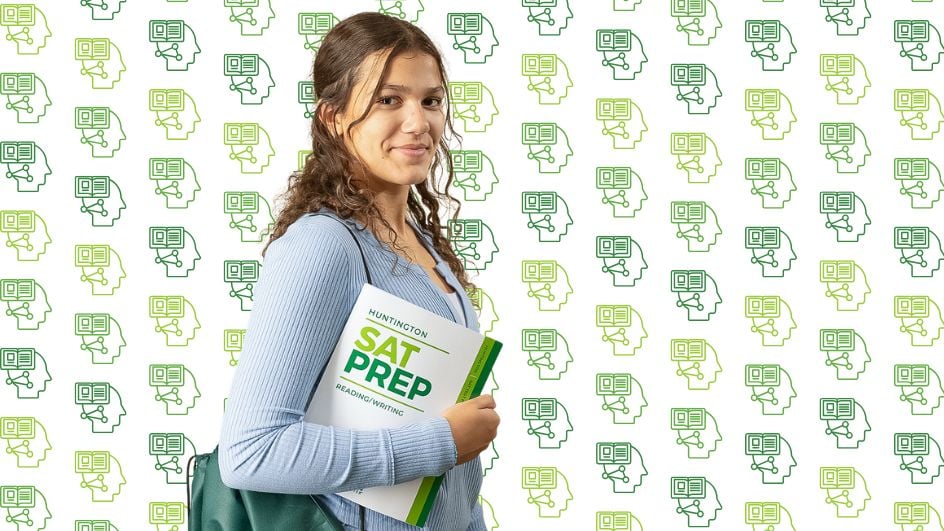
For older students, summer can be a great time to focus on ACT and SAT test prep.
Contact us today to learn more about how we can help your students stay ahead or check out our school resources page for more ideas to make learning engaging all year long.
By focusing on summer slide statistics and actionable teacher strategies, we can ensure that students continue to learn and grow—even when school is out.
Related Posts


Get the Help You Need Today
A 10-Minute Call Can Make All The Difference.