
Effective Communications Month: Why Communication Skills Matter in the Classroom and Beyond
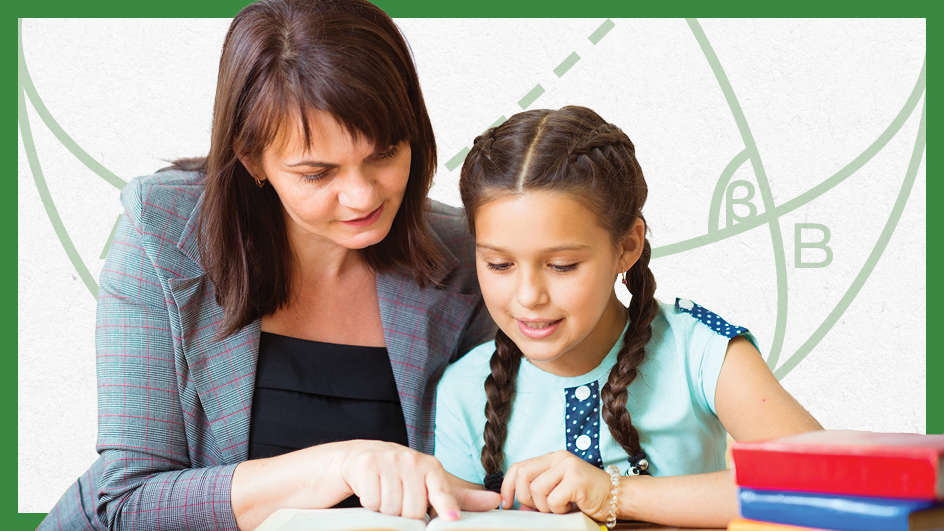
In today’s fast-paced, digital world, strong communication skills are more important than ever — and the classroom is a great place to help students build them. As a teacher, you may notice students gravitate toward slang or abbreviations. These moments offer valuable opportunities to guide students in developing more thoughtful and intentional communication habits.
While many students are fluent in digital shorthand and quick messaging, they may need extra practice with face-to-face dialogue, structured writing, and active listening. Helping students strengthen these essential soft skills not only supports their academic growth but also equips them to thrive in future careers, relationships, and real-world interactions.
So, how do we help students understand the importance of effective communication? And more importantly, how do we teach them to build those skills?
Why Communication Skills Are Important for Students
Strong communication skills don’t just help students write better essays or give better presentations. They also:
- Boost reading comprehension and critical thinking
- Improve collaboration in group work
- Help students advocate for themselves in the class and beyond
- Prepare students for job interviews, college admissions, and leadership opportunities
- Build the confidence needed to engage respectfully in discussions—even when opinions differ
In a world driven by emojis and autocorrect, it is important to intentionally teach students how to express themselves clearly and listen thoughtfully.
How to Build Better Communication in the Classroom
Here are a few strategies to help students understand the importance of effective communication and strengthen their writing, speaking, and listening skills:
- Reinforce Full Sentences and Clear Punctuation
When students answer questions verbally or in writing, prompt them to respond in complete sentences. Praise clarity, and gently correct habits like run-on thoughts or filler words.
- Model Active Listening
Use classroom discussions to model listening skills—eye contact, not interrupting, and asking follow-up questions. Create a classroom activity where they interview each other to give students regular listening practice.
- Integrate Communication Into Every Subject
Even math class can include quick “explain your answer” writing prompts or partner problem-solving discussions. Emphasize clarity of thought across all subjects.
- Give Real-World Context
Students are more likely to care when they understand the “why.” Discuss how poor communication can cause misunderstandings in jobs, relationships, and even sports. Have students role-play a job interview or write a professional email to a coach or teacher.
- Encourage Reading and Writing Beyond the Classroom
Strong readers become strong communicators. Encourage students to read a variety of genres and write regularly – journals, letters, blogs – anything that builds fluency.
How Huntington Supports Communication Skill Development
At Huntington Learning Center, we understand that building communication skills takes time and consistent practice. Our customized programs in reading, writing, and study skills are designed to:
- Strengthen grammar, vocabulary, and sentence structure
- Improve reading comprehension and writing organization
- Boost students’ confidence in verbal and written expression
- Build soft skills for students
Whether it’s through tutoring or test prep, our certified teachers work one-on-one with students to ensure they’re developing the tools to succeed both in school and in life.
Help Students Communicate with Confidence
Effective communication doesn’t happen overnight, but with guidance and practice, students can learn to express themselves clearly, respectfully, and confidently.
This Effective Communications Month, let’s remind students that how they say something matters just as much as what they say.
Looking for ways to support students who need extra help? Explore Huntington’s teacher resources or contact us today to learn how we can support your classroom.
Related Posts



Get the Help You Need Today
A 10-Minute Call Can Make All The Difference.